

Bmedical Background 524019358

Pegaso – Cough Assist Devices

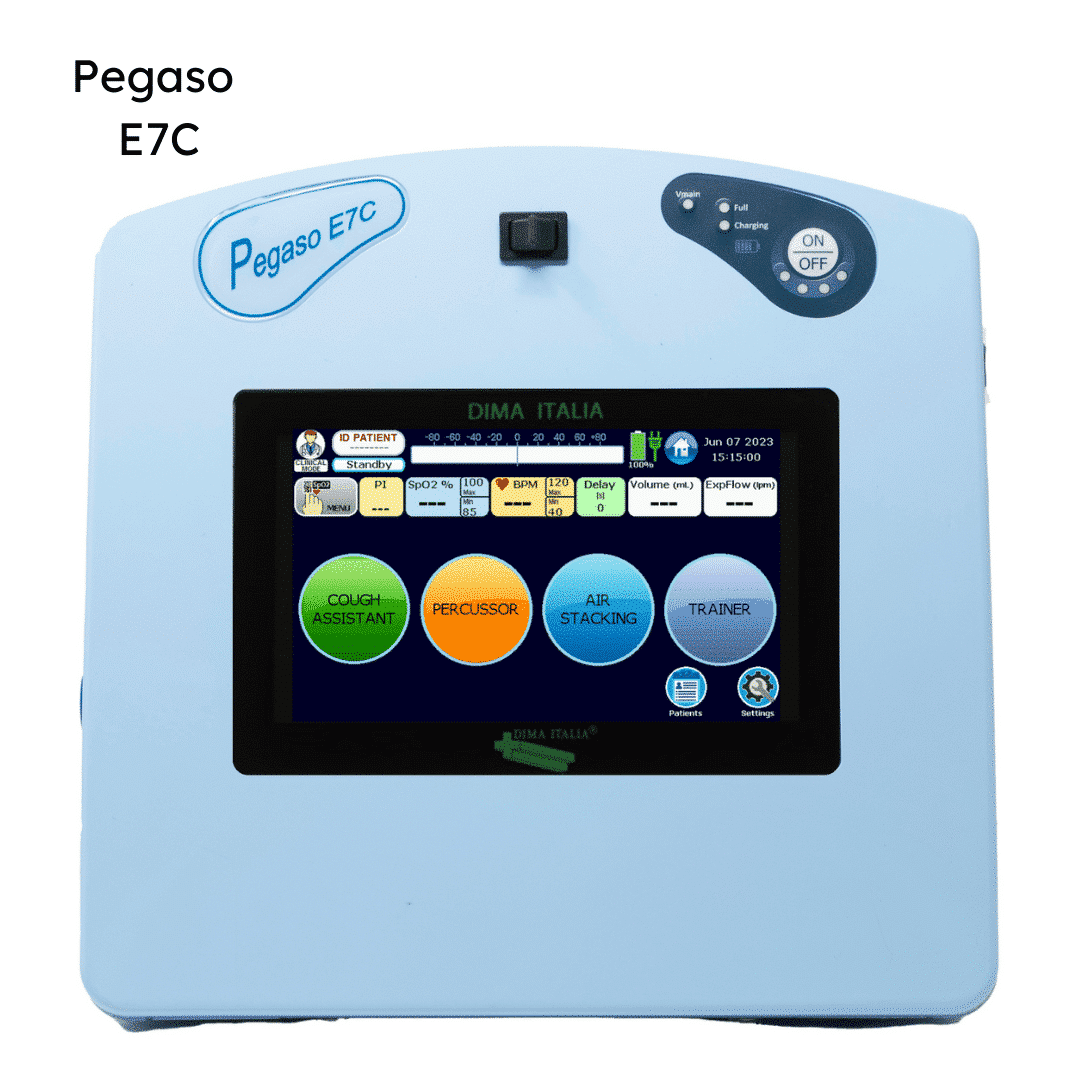
Pegaso E7c Launched
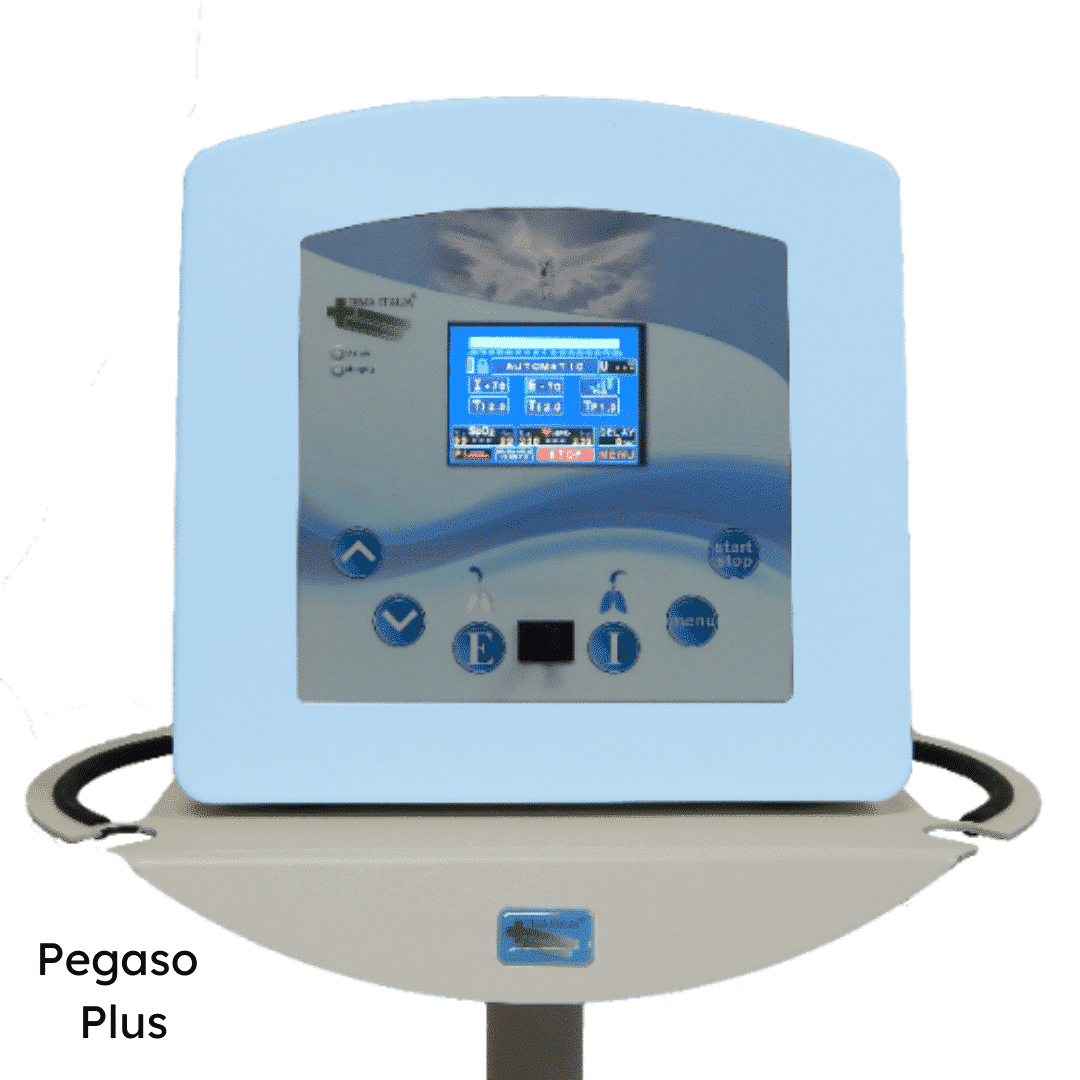
Pegaso Plus
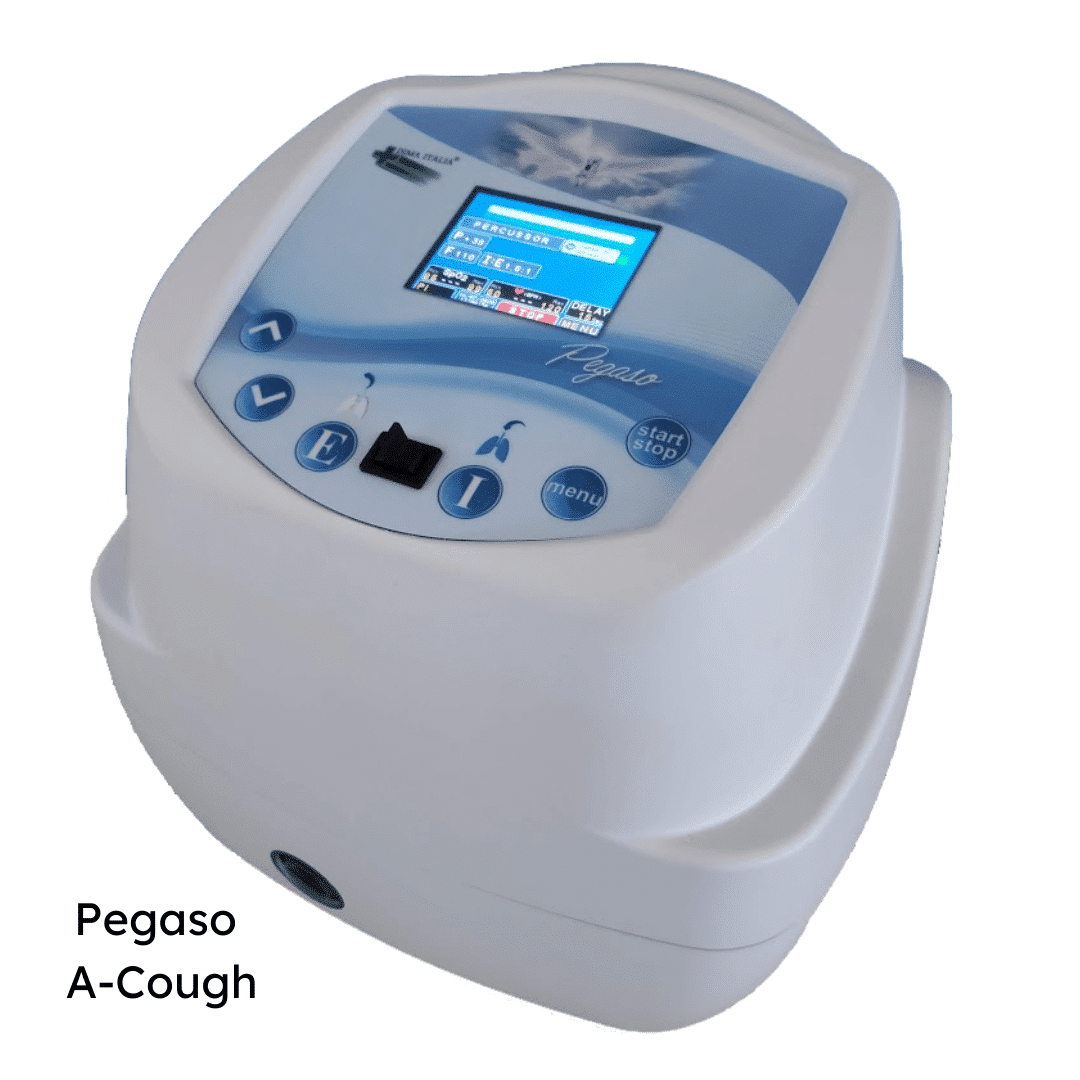
Pegaso A Cough

NEWS

Launch: Flow Aspire & HFCWO Belt

Flow Aspire and the HFCWO Belt are now available for use with the Pegaso E7C, expanding airway-clearance options for patients who need low-effort, effective secretion management. Both therapies mobilise secretions without restricting natural breathing, supporting use in complex and low-effort patient populations. 

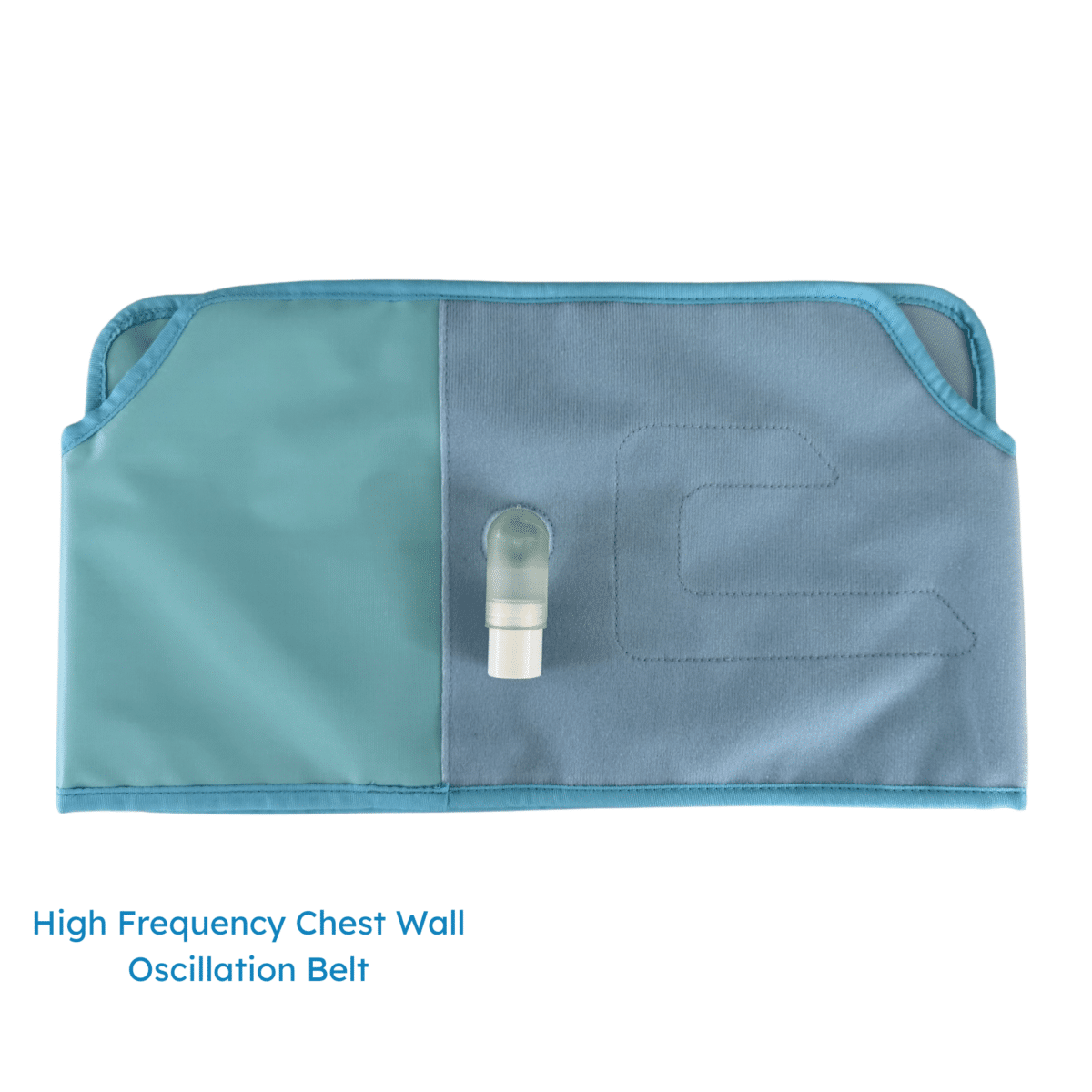
High Frequency Chest Wall Oscillation Belt

PRO TIP 

Pegaso A Cough & Pegaso Plus

To skip the start-up menu and begin therapy more quickly, simply push the rocker switch to the left or right during start-up. This bypasses the menu and saves approximately 15 seconds before therapy begins.

About

Pegaso MIE devices assist with airway clearance and mucus removal in a range of patients with respiratory insufficiency and are intended for home and hospital use. Suitable for both adults and children, the Pegaso E7C, Pegaso A-Cough and Pegaso Plus are used for IPV and cough assistance therapy. All devices are available for purchase, hire, or as part of an NDIS plan.

Conditions that may benefit from IPV and/or Assisted Cough include:

  • Muscular Dystrophy (DMD, MD)
  • Motor Neurons Disease (MND)
  • Cerebral Palsy
  • Spinal Muscular Atrophy (SMA)
  • Spinal Cord Injury
  • Traumatic Brain Injury (TBI)
  • Polio
  • Amyotrophic Lateral Sclerosis(ALS)
  • Myasthenia Gravis
  • Cystic Fibrosis – Also consider SIMEOX
  • Chronic Obstructive Pulmonary Disease (COPD) – Also consider SIMEOX.

Pegaso E7C

Device Specifications:

The Pegaso E7C features two modes of operation, as well as a large colour touchscreen display for ease of use.

  • 7 Different Modes
  • Flow Aspire Mode (using Flow Aspire Adaptor) 
    • Passive expiratory flow acceleration for secretion clearance
    • Mobilises mucus during natural breathing (no patient effort required)
    • Protects collapsible airways by avoiding negative pressure
    • Suitable for weak, ineffective, or non-cooperative patients. 
  • IPV Mode (Intrapulmonary Percussive Ventilation)
    • Pressures up to 70cmH20
    • Frequency 50-600 BPM
    • IE Ratio 1:5 – 5:1 – (0.1 Increments)
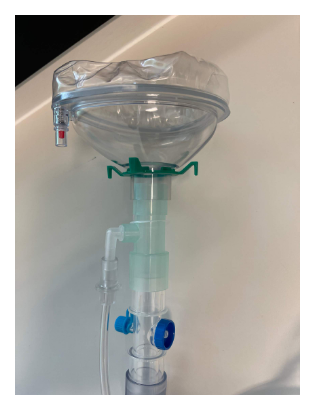
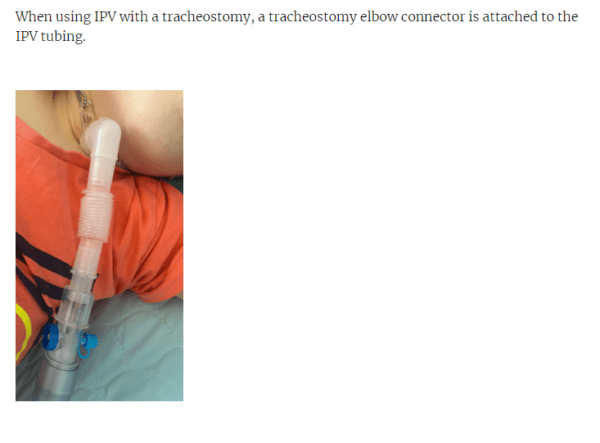
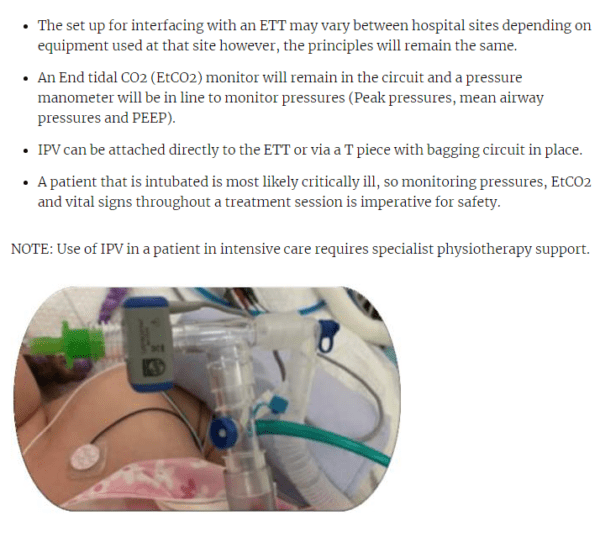
    • In Percussor mode a humidifier can be attached and used with a mouthpiece, mask, ETT, or tracheostomy tube
  • Cough Assist/Mi-E Mode(s)
    • Automatic, Manual, Auto Adaptive, Air Stacking and Trainer
  • Pressure up to 70cmH2O with extremely powerful flows for highly effective cough assist therapy
    • Three different rise times
    • Trigger sensitivity regulation (9 levels) for the auto-adaptive modes
    • Programable air stacking up to 7 steps
    • Display of inspired volumes and peak inspiratory flow
    • Oscillatory function during cough assistance therapy on insufflation and exsufflation. Oscillatory Frequency and pressure can be set by the operator
    • Live and recorded waveforms to help titrate Assisted Cough settings
  • Mode or setting lock feature in the patient or carer menus
  • Optional SpO2 monitoring directly from the display screen to help monitor lung perfusion and therapy efficacy
  • Storage of 200 therapies
  • USB, USB C and SD card for downloads and communication
  • Weight 3.2kg
  • Included internal battery with approximately 3-4 hours capacity
  • HFCWO Belt (High Frequency Chest Wall Oscillation)
    • Hands-free secretion clearance using the Pegaso E7C
    • Delivers effective oscillation at 15 Hz (meets ≥13 Hz therapy threshold)
    • Helps loosen and mobilise secretions while patients breathe normally
    • Soft corset-style design for comfort and ease of use
    • Suitable across a range of care settings and patient abilities
    • Compatible with the Pegaso E7C. 
  • Optional foot pedal.
  • TGA registered
  • 2 Year Warranty.

Pegaso Plus Cough

A compact version of the Pegaso A-Cough, the Pegaso Plus Cough is designed for home use while still offering full functionality and an internal battery.

Device specifications: 

  • IPV mode
    • Pressures up to 70cmH20,
    • Frequency 10-600 BPM,
    • IE Ratio 1:5 – 5:1
  • Four different cough assistant modes:
    • Automatic, Manual, AutoSync, EasyStart
  • Pressure up to 70cmH2O with extremely powerful flows for highly effective cough assist therapy
  • Three different rise times
  • Trigger sensitivity regulation (9 levels) for the auto-adaptive modes (AutoSync, EasyStart)
  • Display of inspired volumes and peak inspiratory flow
  • Oscillatory function during cough assistance therapy
  • Live and recorded waveforms to help titrate Assisted Cough settings
  • Mode or setting lock feature in the patient or carer menus
  • Optional SpO2 monitoring directly from the display screen to help monitor lung perfusion and therapy efficacy
  • Storage of 200 therapies in internal memory
  • Weight 3.2kg
  • TGA registered
  • Included internal battery with approximately 3 hours capacity
  • Optional device trolley. 

Pegaso A-Cough

Designed for hospital use, the Pegaso A-Cough is suitable for IPV and cough assistance therapy for neonates, paediatrics, and adults

Device specifications: 

  • IPV mode
    • Pressures up to 70cmH20,
    • Frequency 10-600 BPM,
    • IE Ratio 1:5 – 5:1
  • Four different cough assistant modes:
    • Automatic, Manual, Auto Sync, EasyStart
  • Pressure up to 70cmH20 with extremely powerful flows for highly effective cough assist therapy
  • Three different rise times
  • Display of inspired volumes and peak inspiratory flow
  • Oscillatory function during cough assistance therapy
  • Storage of 200 therapies in internal memory
  • Weight 4.4kg
  • TGA registered
  • Optional SpO2 monitoring directly from the display screen to help monitor lung perfusion and therapy efficacy
  • Optional device trolley. 
PEGASO RENTAL REQUEST NDIS QUOTE REQUEST

Servicing

Service/performance verification battery change every 2 years.

To schedule a service for our device complete the form here and BMedical will be in touch to organise your service.

SERVICE AND WARRANTY FORM
Software

Download the Pegaso Reporting Software. 

download software

*Note you will need a communication cable to download the device (part number CV00000498)

Training

PEGASO IPV TRAINING MORE TRAINING RESOURCES Queensland respiratory group set up

Accessories

Untitled Design (8)

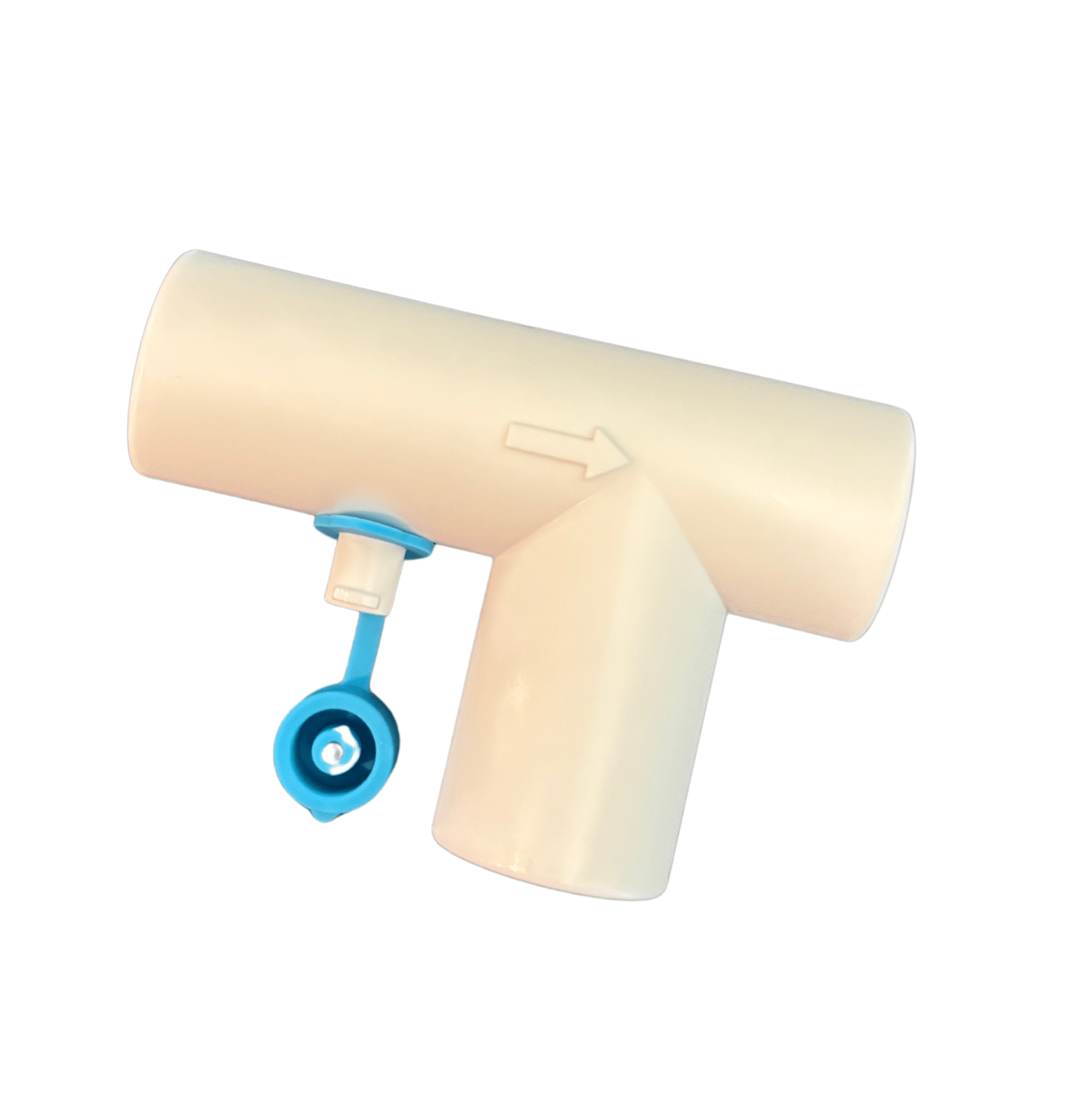
Flow Aspire Circuit Adaptor

Flow Aspire delivers passive expiratory flow acceleration using a controlled Venturi-driven airflow boost.

Hfcwobelt

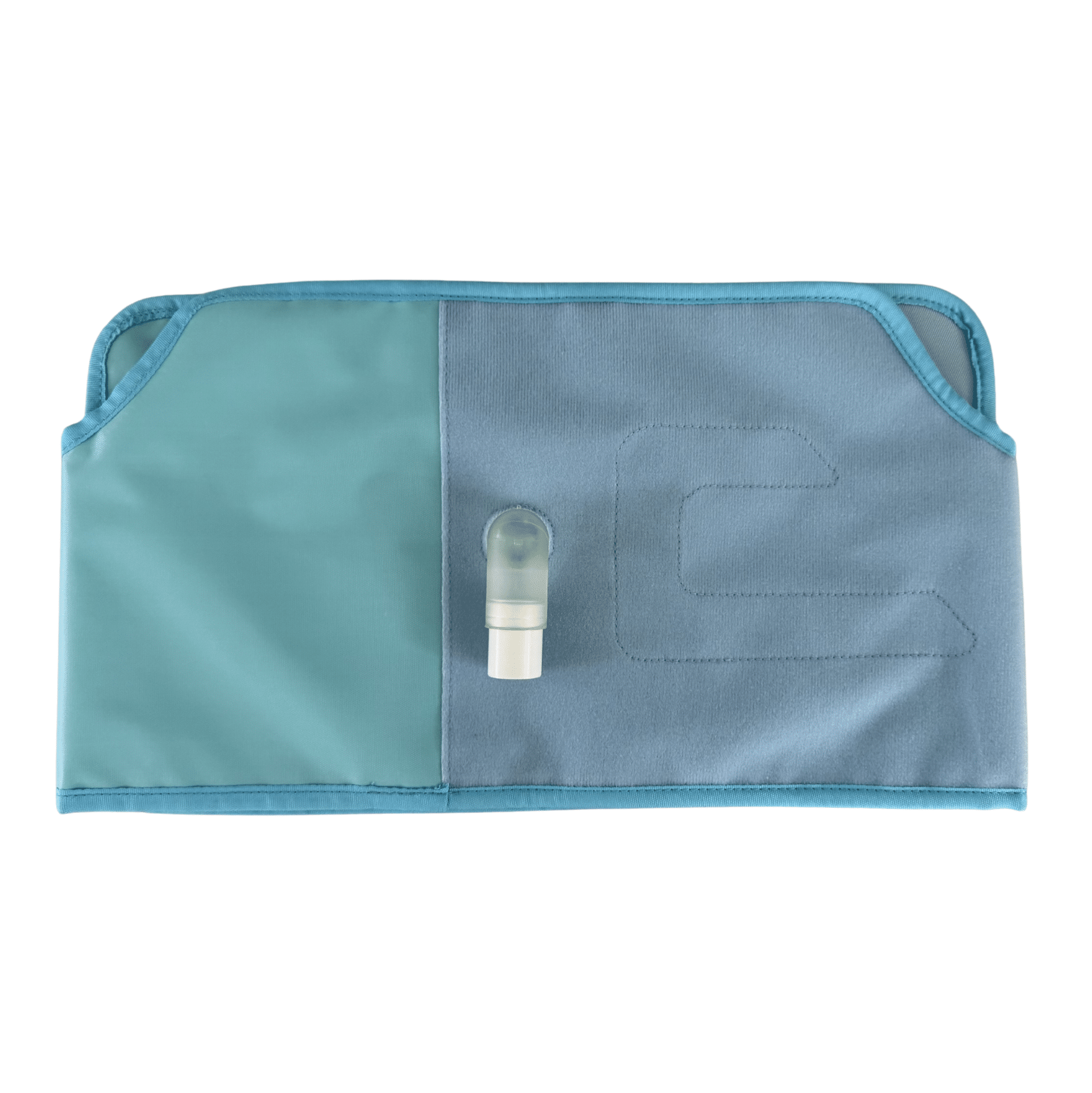
HFCWO Belt

Hands-free secretion clearance delivering effective oscillations at 15 Hz (exceeding the ≥13 Hz therapeutic threshold) for efficient mucus mobilisation.

Percussorexpiratoryadaptorforpeg

Expiratory Adaptor

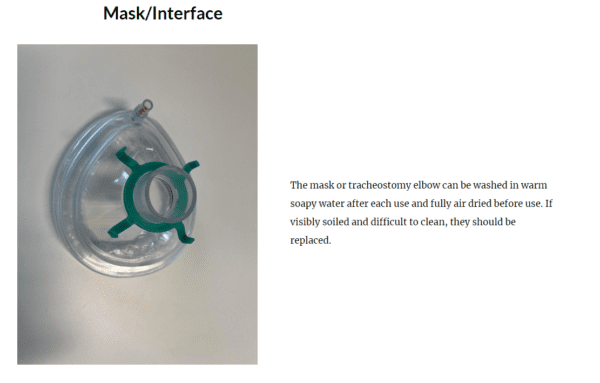
Supports airway clearance by enabling mechanical insufflation-exsufflation (MIE) therapy and connects to a patient’s endotracheal or tracheostomy tube.

Marketing

MARKETING RESOURCES

Warranty

Please follow this link to access the warranty claim procedures documents

Service Warranty Form

The warranty period for all Pegaso models is 2 years from purchase. 
To make a warranty claim or send a device for service, complete the Service Form and follow the instructions on the form for next steps. If in doubt, contact your rep for troubleshooting.

FAQs

Assisted Cough – 4 Modes

Cough assistance therapy is essential for individuals with ineffective coughs, as it helps mobilise and eliminate broncho-pulmonary secretions from the larger airways. The Pegaso may also be used as an exsufflation as part of Respiratory Physiotherapy.

  • Auto-Sync – Synchronises every insufflation with the patient’s inspiratory effort.
  • Manual Cough Assistant – Allows manual control of the in/exsufflation cycles. 
  • Automatic Cough Assistant – Generates in/exsufflation cycles automatically with the clinician-set therapy times.
  • Easy-Start – Synchronises the first insufflation cycle with the patient’s effort and continues following cycles in automatic mode.

The steps for the calibration are as follows:  

  1. Turn the Pegaso on and as soon as the logo Dima Italia appears on the screen, press the buttons UP, DOWN, and MENU simultaneously. The device will go to a TEST page and will inform you if the hardware components are OK or have failed, as per pic below.
  1. If everything is OK, from here you can go to the TECHNICAL MENU. Press I and Start simultaneously and the screen should change to the screen pictured below.
  1. Once on this screen, connect the circuit, filter, and mask to the device, leaving the mask open, press the E button to begin the calibration. At the end of the test, the current flow is indicated in the right-upper corner in white it should read a zero value, if not press the MENU button to memorise the new Offset.
  2. Once these steps are complete push the up button to restart the device and complete the calibration. 

Intrapulmonary Percussive Ventilation (IPV) is a form of high frequency positive pressure ventilation usually applied via a facemask, used for peripheral airway clearance. It delivers small “sub-physiological” tidal volumes at a very high rate superimposed on the individual’s underlying breathing pattern. 

  • The high frequency airflow oscillation results in internal percussion of the lungs, improved ventilation, lung recruitment and the mobilisation of secretions from the peripheral airways. (1,2,3(opens in a new tab)) On the Percussor setting, the Pegaso A-Cough Perc® delivers 50-600 breaths per minute (frequencies ranging between 0.83 – 10Hz).
  •  The inspiratory to expiratory ratio, flow, airway pressures and frequency must be titrated to provide varying levels of ventilatory support required by each individual and to optimise secretion mobilisation and airway clearance. 
  • With IPV the correct settings ensure the expiratory flow rate is greater than the inspiratory flow to promote the proximal movement of secretions. 
  • As the high frequency oscillations superimpose the patient’s own respirations, synchronisation is not required hence it can be used in patients who are unable to actively participate in airway clearance. (3(opens in a new tab)

 IPV is a peripheral airway clearance or “sputum mobilising” technique and is used as one part of an airway clearance treatment.  

When considering the 4 stages of Airway clearance (4(opens in a new tab)), IPV can aid in getting air behind secretions and mobilising secretions towards the proximal airway where a “Cough Augmentation” or proximal Airway clearance technique may then be used. 

______________

IPV can be considered for individuals who are having frequent or prolonged respiratory illnesses where other peripheral airway clearance techniques are insufficient in clearing or maintaining resolution.(5(opens in a new tab)) The British Thoracic Society guideline for respiratory management of children with neuromuscular weakness recommends that the use of IPV be considered in children where there is difficulty in clearing secretions or persistent atelectasis despite the use of other airway clearance techniques. (6(opens in a new tab)

The primary clinical indications for IPV are: 

  • Retained peripheral secretions or secretion-related persistent atelectasis not responding to other airway clearance techniques 
  • When increased ventilatory support is required during a respiratory illness and de-recruitment is likely if this support is not adequately provided during airway clearance manoeuvres. 
  • Where chest wall pain, reduced bony integrity (osteopaenia or osteoporosis), and/or significant alterations in chest wall shape (e.g. severe scoliosis) make the use of other airway clearance techniques uncomfortable, unsafe or ineffective. 
  • IPV is indicated for home use when an individual has retained peripheral secretions regularly, leading to frequent or prolonged respiratory illnesses and hospital admissions despite other peripheral airway clearance techniques. 

In some instances, there are social and/or compassionate grounds for choosing IPV over other airway clearance methods. If an individual, a family or carer experience barriers that prevent the application of peripheral ACT (Airway Clearance Techniques) and the use of a device may improve access to or quality and consistency of care, then IPV may be indicated.  

Common conditions that IPV is beneficial for:

  • Neuromuscular diseases such as Duchenne Muscular Dystrophy (DMD), Spinal Muscular Atrophy (SMA), Congenital Myopathy and Congenital muscular dystrophy. Motor Neutone Disease (MND)/Amyotrophic Lateral Sclerosis(ALS)
  • Spinal Cord Injury 
  • Complex Neurodisability e.g. Cerebral Palsy (GMFCS V), Rhetts Syndrome, Neurodegenerative conditions 
  • Severe Non-CF Bronchiectasis and Chronic Suppurative Lung Disease (CSLD)
  • Traumatic Brain Injury (TBI)
  • Polio
  • Myasthenia Gravis
  • Chronic Obstructive Pulmonary Disease (COPD) – in the presence of secretions
  • Specific applications in a range of acute respiratory conditions in hospital setting. 

Evidence to date supports that IPV is safe to use in all ages from infant to child and adult. 

Respiratory muscle weakness and bulbar dysfunction (poor swallow) does not limit its use. 

  • IPV should not be: 
    • used where an individual has an undrained Pneumothorax or is in terminal cardiac failure.
    • prescribed in the absence of sputum hypersecretion 
    •  prescribed without regular, structured follow up by the prescriber or someone capable of titrating the settings in the community or institution 
  • The need for IPV should be carefully considered in those with severe cardiomyopathy due to the likelihood of generating PEEP, increased Work of Breathing (WOB) and unpredictable cardiac preload/afterload effects.

Yes, Pegaso is available for rent or purchase through BMedical. 
Let our team know if you require a quote for an NDIS application.

NDIS QUOTE REQUEST PEGASO RENTAL REQUEST

Within Australia all Respiratory Equipment applied for through National Disability Insurance Scheme (NDIS) must be endorsed by a Respiratory Consultant at a Specialist Centre or a Physiotherapist who specializes in respiratory care of Neuromuscular and complex respiratory patients. 
Let our team know if you require a quote for an NDIS application.

NDIS QUOTE REQUEST
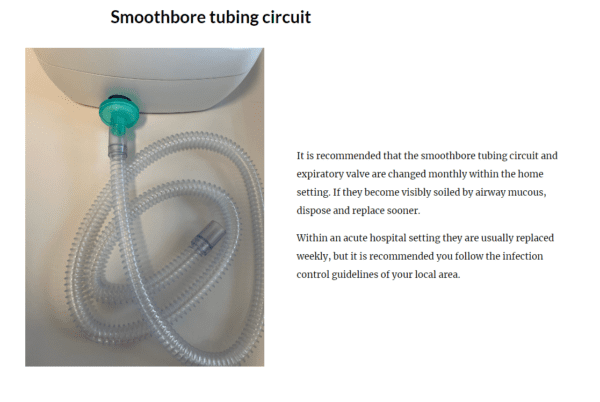
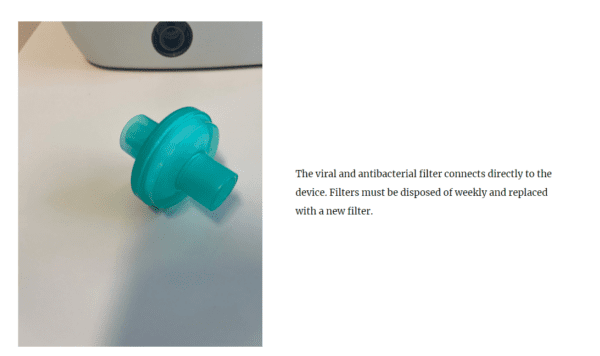
  • All Filters, circuits and interfaces (eg face mask) are single patient use so should not be shared between individuals.  
  • If sharing a device between individuals, each person should have their own filter/circuit and mask/interface with the device wiped down with appropriate antibacterial wipes in between individuals.  

Pegasofilter

Pegasocircuit2 Pegasocircuit3

Pegasocircuit

Turn on the device at the rocker switch and immediately hold down the menu button until you hear a beep and the red lock icon is flashing. Use the up arrow to change the icon to a green unlock and then use the menu button to navigate to the next screen to change your settings. 

Go to percussion mode, the mode change function, where the upper down arrow is, must be sent to manual rather than automatic. Therefore, every time you change it back from percussion, it goes to the mode that’s programmed in the percussion mode. 

When running the Pegaso-plus on battery mode, you may hear a variation in the sound of the device. It is normal to notice the sound wax and wane while in use and is not a defect in the device.

Yes, there is a trolley available for the Pegaso device (item code PM00000351). 

The battery will generally last for 3 hours from a full charge. 

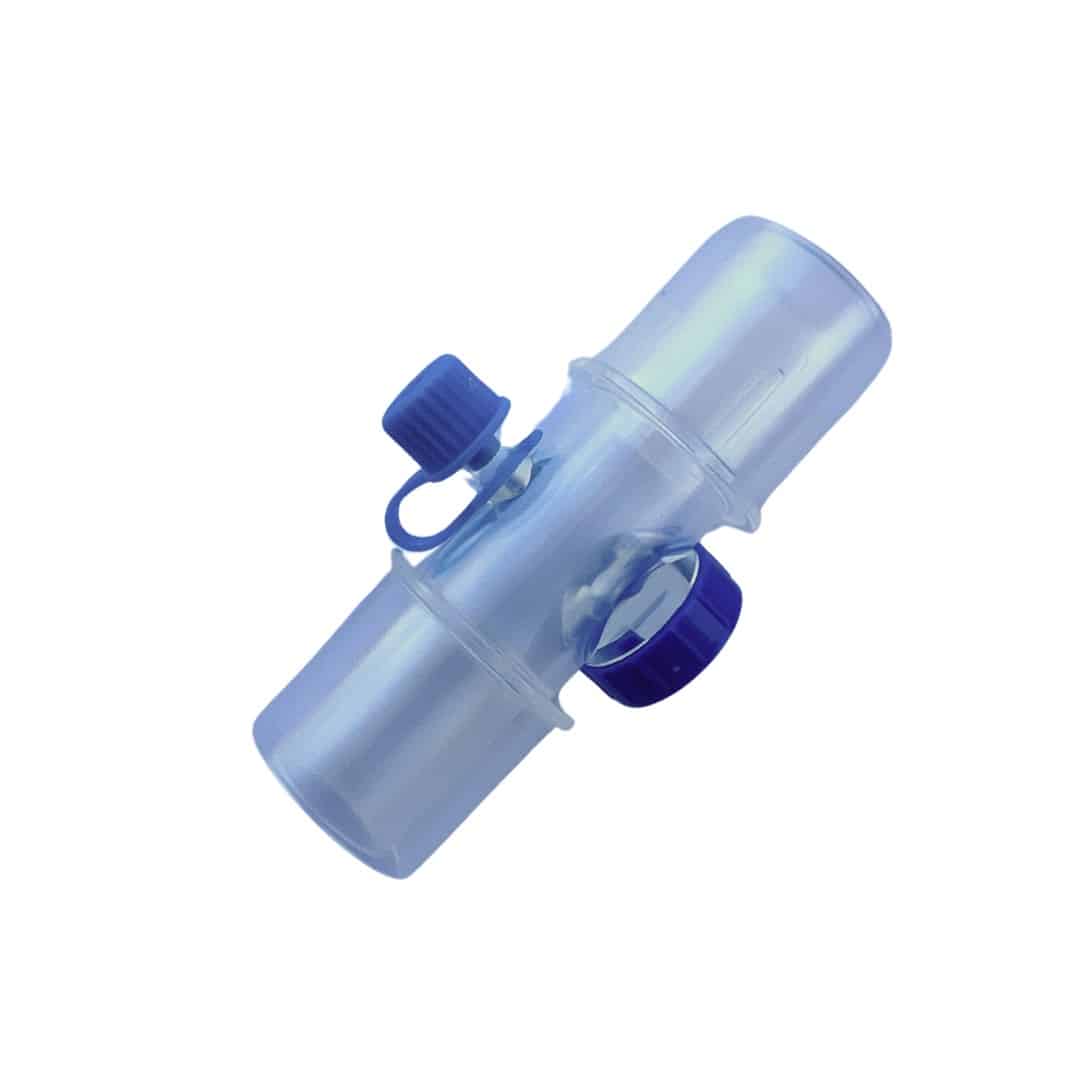
Some who use home oxygen may require oxygen during their treatment with the Pegaso. This oxygen can be entrained into the Pegaso circuit either using a T-piece adaptor or through the Pegaso expiratory adaptor. 

Outlook Uvboazxj

The Pegaso should be serviced every 2 years.  
To schedule your service- complete the service request form here and be sure to indicate in the notes if you will need a loan device while your Pegaso is being serviced. The team will be in touch to organise your service. 

Research

Alternative approach to the respiratory management of the high cervical spinal cord injury patient

Noninvasive respiratory management of high level spinal cord injury

Pulmonary rehabilitation coupled with negative pressure ventilation decreases decline in lung function, hospitalizations, and medical cost in COPD: A 5-year study

A Device for Improving Oxygenation in Patients With Acute Respiratory Distress Syndrome

Back to product resources